Alzheimer’s Disease
Alzheimer’s disease is a degenerative neurological disease that impacts millions of individuals around the globe. It is the leading cause of dementia, a collection of disorders that are distinguished by a significant loss of cognitive function severe enough to impact an individual’s daily life. Alzheimer’s disease not only affects the patients who have been diagnosed but also leaves an enormous emotional and financial burden on their caregivers and families. This article discusses the causes, symptoms, diagnosis, treatment methods, and current research work pertaining to Alzheimer’s disease.
Thank you for reading this post, don't forget to subscribe!What is Alzheimer’s Disease?
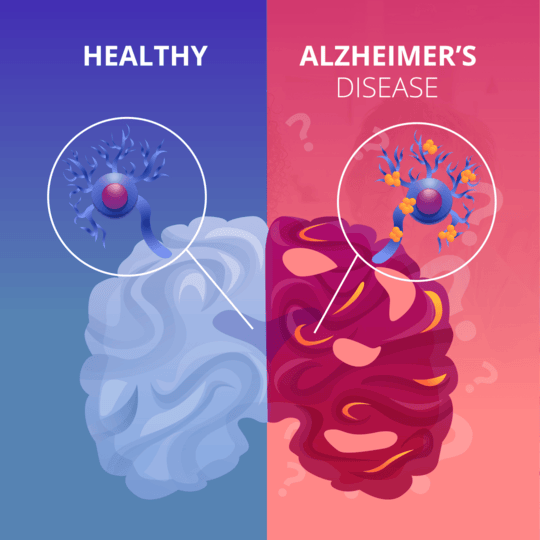
Alzheimer’s disease is a neurodegenerative illness that causes progressive loss of memory, thinking, and reasoning ability. In 1906, Dr. Alois Alzheimer identified the disease for the first time by finding abnormal clumps (amyloid plaques) and matted tangles of fibers (neurofibrillary tangles) in the brain of a patient who had complained of memory loss, language difficulty, and wild behavior. The plaques and tangles are now acknowledged as the hallmarks of the disease.
The illness usually progresses gradually, with a beginning of mild memory loss and proceeding to severe mental impairment. During its later stages, patients may be unable to continue a conversation, know their loved ones, or accomplish simple tasks such as eating or dressing.
Causes and Risk Factors
The precise cause of Alzheimer’s disease is still unknown, but scientists think it is caused by a mix of genetic, environmental, and lifestyle factors. The following are some of the major contributors:
Age: The biggest risk factor for Alzheimer’s is age. The majority of individuals diagnosed with the disease are 65 years or older, though early-onset Alzheimer’s may affect people in their 40s or 50s.
Genetics: There is a family history component to the risk of Alzheimer’s. There are certain gene mutations, including the APOE-e4 gene, which have been found to increase the risk of getting the disease.
Brain Changes: Amyloid plaques and tau tangles build up and interfere with communication among brain cells, causing them to die and shrink the brain.
Lifestyle Factors: Poor diet, lack of exercise, smoking, and chronic conditions like diabetes, hypertension, and obesity may increase the risk of Alzheimer’s.
Environmental Factors: Exposure to toxins, head injuries, and prolonged stress may also contribute to the development of the disease.